


OUR
TERROIR
THE VINEYARD AND US:
Authentic and pure.
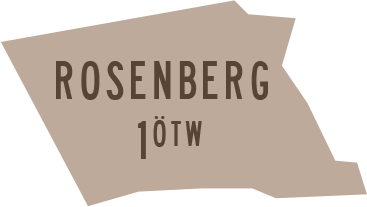
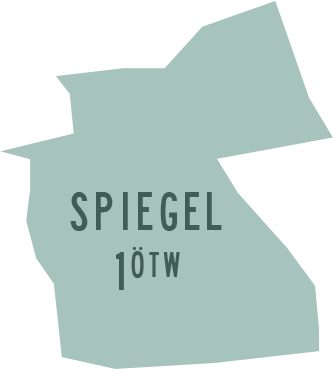
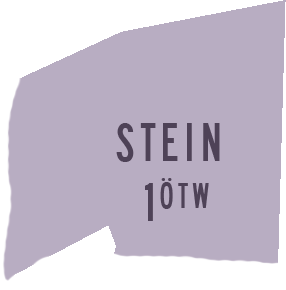
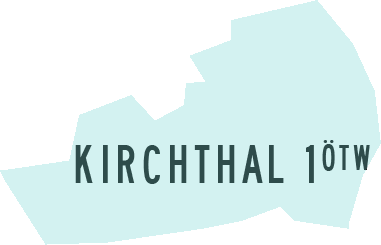
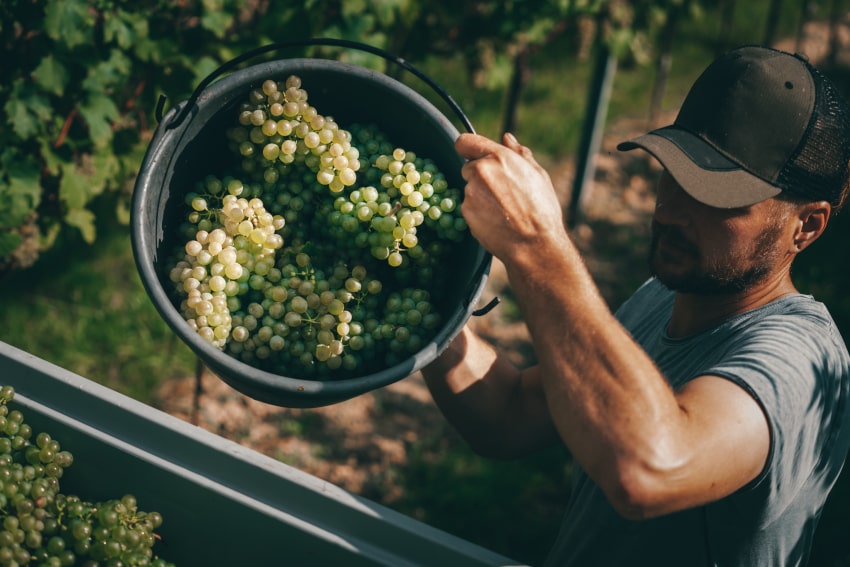
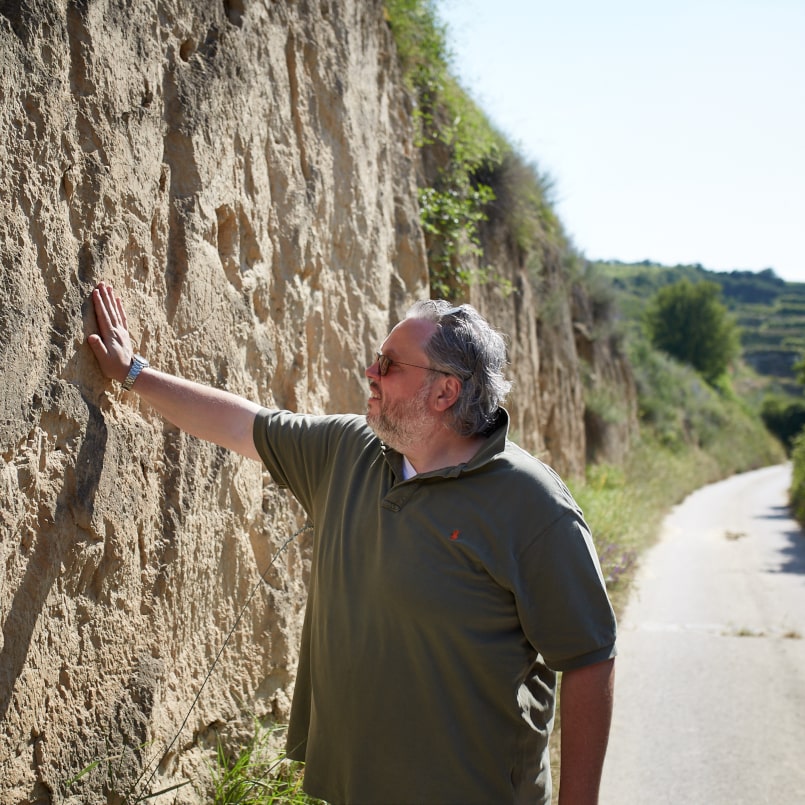
The Feuersbrunn Hengstberg and its vineyards are unique, with fascinatingly diverse terroirs that come together as a harmonious whole. Every handful of soil here tells our story across the generations: a life lived among the vines on one side of the mountain and in the forests on the other, centered in Feuersbrunn am Wagram with Gösing am Wagram to the east and Engabrunn to the west. To this day, the vineyards still bear their original names and parcel numbers, preserved from a vineyard map dating back to 1823. Our vineyards remain exactly as they were back then. A stroke of luck for us and the Hengstberg vineyard and our single-vineyard wines Ried Rosenberg, Ried Spiegel, Ried Stein and Ried Kirchthal.
TWO REGIONS, THREE VILLAGES:
The heart of who we are.
We recognized early on that we are part of a larger whole. We stopped believing we could impose our will on the mountain and chose to let nature guide our craft. 95 percent of our vineyards are devoted to Grüner Veltliner. The deep loess soils of Wagram and Kamptal are exceptionally well suited to this grape variety. It is more rooted in this region than any other grape, and has become our signature in all its expressions: from the light-footed Veltliner cuvée to the expressive 1ÖTW Erste Lagen wine; always characterized by the typical Veltliner spice, a fine herbal finesse, and lifted by delicate fruit.
“When you allow nature be nature, it produces amazing things.”
TRUST. PATIENCE. PRECISION.
The art of waiting.
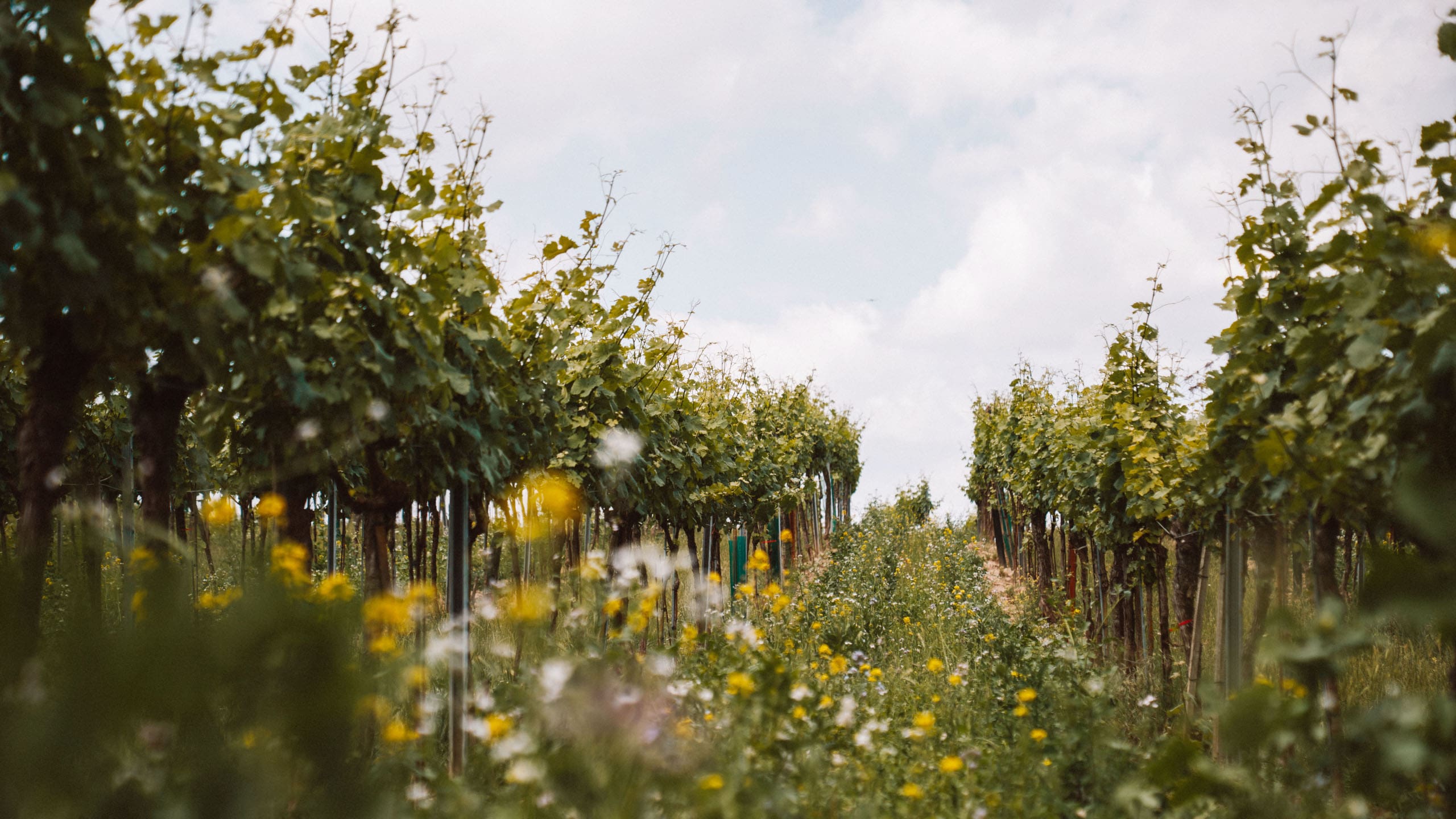
Wagram is our home and, together with Kamptal, our great love. When we shifted to biodynamic farming in 2006, we fully committed ourselves to these two regions, uncompromising and open to whatever nature has in store for us.
Since then, we have bottled nothing but 100% terroir. For that, we are willing to wait. The same is true for all our OTT brands — AM BERG®, FASS 4®, DER OTT®, ROSALIE®, SPECTRUM, RIESLING, TAUSEND ROSEN® and BLAUFRÄNKISCH MORITZ OTT — as well as our single-vineyard wines. We wait first for nature and the vineyard, then the grapes and, finally, for the wine to come into balance. Because making wine means practicing patience. Learning to accept and trust in nature and its needs, to believe in both one’s own potential and in nature’s capacity to develop on its own — if we simply have the patience to let it do so.
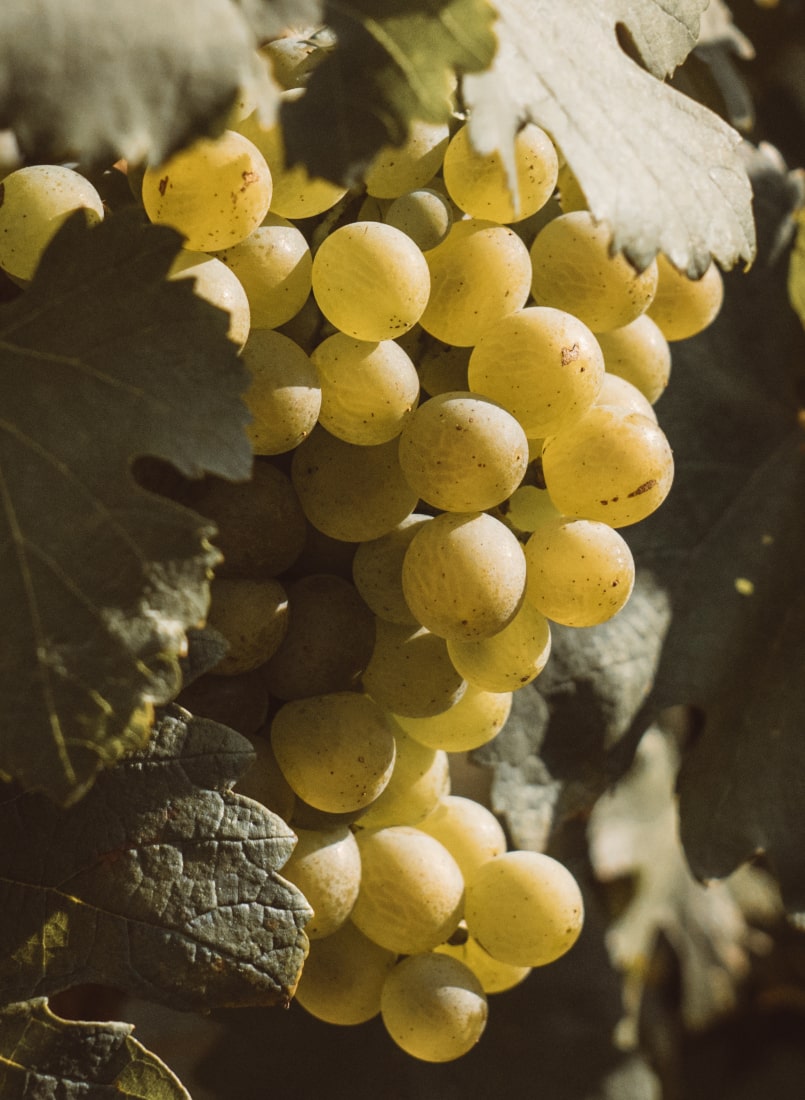
“Those who act hastily deprive the wine of the opportunity to express its terroir.”
Our vineyards